
Hey there! As a supplier of residential RO membranes, I've seen firsthand how the quality of feed water can have a huge impact on these membranes. In this blog, I'll break down the ins and outs of how feed water quality affects residential RO membranes, so you can make the best decisions for your water treatment needs.
What is an RO Membrane?
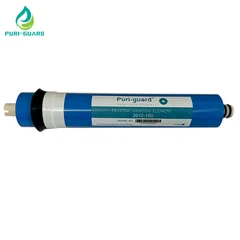
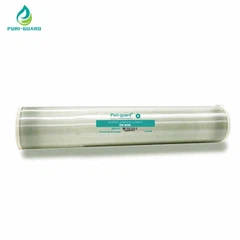
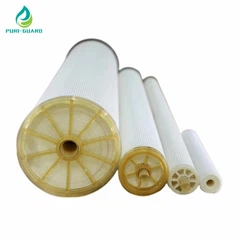
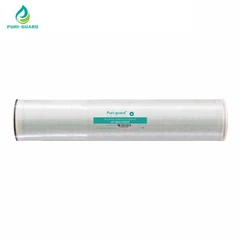
Let's start with a quick refresher. RO stands for reverse osmosis, and an RO membrane is a key component in a reverse osmosis water filtration system. These membranes are designed to remove a wide range of contaminants from water, including bacteria, viruses, heavy metals, and dissolved solids. They work by allowing water molecules to pass through while blocking the passage of larger particles and impurities.
Importance of Feed Water Quality
The quality of the feed water that enters an RO system is crucial for the performance and longevity of the RO membrane. Think of it like the fuel for your car - if you use low - quality fuel, your car isn't going to run as well or last as long. Similarly, poor - quality feed water can cause a bunch of problems for your RO membrane.
Contaminants in Feed Water and Their Effects
1. Total Dissolved Solids (TDS)
High levels of TDS in the feed water can put a lot of stress on the RO membrane. When there are more dissolved solids in the water, the membrane has to work harder to filter them out. This increases the osmotic pressure across the membrane, which means more energy is required to push the water through. Over time, this can lead to decreased water production and an increase in the amount of energy needed to operate the RO system. For example, if you have a 500 GPD Membrane, and the feed water has an extremely high TDS, you might find that it's only producing around 300 GPD instead.
2. Particulates
Particles like sand, silt, and rust in the feed water can cause physical damage to the RO membrane. These particles can scratch the surface of the membrane, which creates tiny holes or channels. Once these holes form, contaminants can pass through the membrane more easily, reducing the system's ability to produce clean water. That's why it's so important to have a good pre - filtration system in place to remove these larger particulates before the water reaches the RO membrane.
3. Chlorine and Chloramines
Chlorine and chloramines are commonly used as disinfectants in municipal water supplies. While they help kill bacteria and other harmful organisms in the water, they can also be really bad for RO membranes. These chemicals are oxidants, which means they can break down the polymer materials that make up the RO membrane. This degradation can lead to a loss of membrane integrity and a decrease in the membrane's ability to reject contaminants. To protect the membrane, a de - chlorination step is usually necessary, either through the use of activated carbon filters or chemical additives.
4. Microorganisms
Bacteria, fungi, and algae can grow on the surface of the RO membrane if the feed water contains a significant amount of these microorganisms. This growth is known as biofouling. Biofouling not only reduces the water flow through the membrane but also provides a breeding ground for more microbes. As the biofilm thickens, it becomes even more difficult for water to pass through the membrane, and the system's performance deteriorates rapidly.
Impact on Membrane Lifespan
The quality of the feed water directly affects how long the RO membrane will last. When the feed water is high in contaminants, the membrane has to work overtime to clean the water. This excessive strain can significantly shorten the membrane's lifespan. For instance, a well - maintained RO Membrane 180 GPD with good - quality feed water might last 2 - 3 years. However, if the feed water is full of contaminants, that lifespan could be cut down to just 1 year or even less.
Impact on Water Quality
Of course, the quality of the feed water also impacts the quality of the water produced by the RO system. If the feed water is heavily contaminated and the membrane is already under stress due to poor water quality, the RO system may not be able to remove all the contaminants effectively. This means that the treated water may still contain some level of impurities, which can be a health risk and also affect the taste and odor of the water.
How to Improve Feed Water Quality
There are several steps you can take to improve the quality of the feed water before it reaches the RO membrane:


- Pre - filtration: Install sediment filters, carbon filters, and other pre - filtration devices to remove larger particles, chlorine, and some organic compounds from the feed water.
- Water softening: If the feed water is hard (high in calcium and magnesium), a water softener can be used to reduce the hardness. This helps prevent scaling on the RO membrane.
- Disinfection control: Use de - chlorination methods to remove chlorine and chloramines from the feed water.
- Regular maintenance: Keep the pre - filtration system clean and replace filters as recommended to ensure optimal performance.
Choosing the Right RO Membrane Based on Feed Water Quality
As a residential RO membrane supplier, I often get asked how to choose the right membrane for a particular feed water quality. If you have relatively clean feed water with low TDS and few contaminants, a smaller - capacity membrane like an 80 GPD might be sufficient for your needs. However, if your feed water is high in contaminants, you'll need a more robust membrane with a higher capacity, like the 500 GPD Membrane, to handle the load.
Contact for Purchase and Consultation
So, there you have it - a detailed look at how the quality of feed water affects residential RO membranes. If you're in the market for a new RO membrane or need advice on improving your feed water quality, don't hesitate to reach out. I'm here to help you find the best solution for your specific situation. Whether you're a homeowner looking to upgrade your water filtration system or a contractor working on a residential project, we've got the expertise and the products to meet your needs.
References
- Water Quality Association. "Reverse Osmosis Systems: A Guide for Homeowners."
- American Water Works Association. "Handbook of Water Supply Practices: Water Treatment."