
Hey there! As a supplier of RO membranes, I've seen firsthand how chlorine can be a real troublemaker for these essential water treatment components. In this blog, I'm gonna share some tips on how to protect RO membranes from chlorine damage.
Why is Chlorine a Problem for RO Membranes?
Chlorine is a powerful disinfectant commonly used in water treatment to kill bacteria and other harmful microorganisms. While it's great for keeping our water safe, it can spell disaster for RO membranes. Chlorine is a strong oxidizing agent, which means it can react with the membrane material, breaking down its structure and reducing its performance over time.
When chlorine attacks an RO membrane, it can cause several issues. First, it can damage the thin-film composite (TFC) layer that is responsible for the membrane's high rejection rate. This damage can lead to an increase in salt passage, meaning that more contaminants will pass through the membrane and end up in the treated water. Second, chlorine can cause the membrane to become more brittle and prone to physical damage. This can result in leaks and a shorter lifespan for the membrane.
How to Detect Chlorine in Water
Before you can protect your RO membranes from chlorine damage, you need to know if there's chlorine in your water supply. There are a few different ways to do this.
- Test Strips: Chlorine test strips are a quick and easy way to check for the presence of chlorine in water. You simply dip the strip into the water and compare the color change to a chart to determine the chlorine concentration.
- Colorimeters: Colorimeters are more accurate than test strips and can measure the exact concentration of chlorine in water. They work by shining a light through a water sample and measuring the amount of light absorbed by the chlorine.
- Online Chlorine Sensors: If you have a large water treatment system, you may want to consider installing an online chlorine sensor. These sensors continuously monitor the chlorine concentration in the water and can provide real-time data to help you make adjustments to your treatment process.
Strategies to Protect RO Membranes from Chlorine
Now that you know why chlorine is a problem and how to detect it, let's talk about some strategies to protect your RO membranes.


1. Pre - Treatment with Activated Carbon
Activated carbon is one of the most effective ways to remove chlorine from water before it reaches the RO membranes. Activated carbon works by adsorbing the chlorine molecules onto its surface. When water passes through an activated carbon filter, the chlorine is trapped, and the water leaving the filter is chlorine - free.
There are two main types of activated carbon filters: granular activated carbon (GAC) and block activated carbon (BAC). GAC filters are made up of small granules of activated carbon, while BAC filters are made from a solid block of activated carbon. Both types can effectively remove chlorine, but BAC filters generally have a higher surface area and can provide better filtration.
2. Sodium Bisulfite Injection
Sodium bisulfite is a chemical that can be used to neutralize chlorine in water. When sodium bisulfite is added to water containing chlorine, it reacts with the chlorine to form sodium sulfate and hydrochloric acid. This reaction effectively removes the chlorine from the water.
To use sodium bisulfite for chlorine removal, you'll need a chemical dosing system. The dosing system will inject the correct amount of sodium bisulfite into the water based on the chlorine concentration. It's important to monitor the water regularly to ensure that the correct amount of sodium bisulfite is being added.
3. Using Chlorine - Resistant Membranes
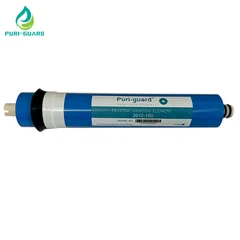
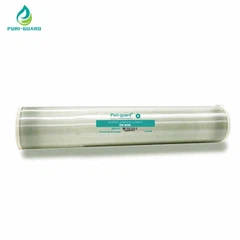
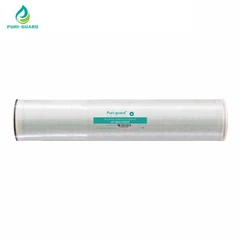
Some RO membranes are designed to be more resistant to chlorine damage. For example, our SW 4040 and BW 4040 membranes are engineered to withstand a certain level of chlorine exposure. These membranes have a special coating or material composition that makes them more resistant to the oxidative effects of chlorine.
However, it's important to note that even chlorine - resistant membranes have their limits. You still need to monitor the chlorine concentration in your water and take steps to reduce it if necessary.
4. Regular Maintenance and Monitoring
Regular maintenance and monitoring are essential for protecting your RO membranes from chlorine damage. Here are some key maintenance tasks:
- Replace Pre - Filters: The pre - filters in your RO system, such as sediment filters and activated carbon filters, should be replaced regularly. This will ensure that they are working effectively to remove contaminants, including chlorine, from the water.
- Clean the Membranes: Over time, membranes can become fouled with contaminants. Regular cleaning can help to remove these contaminants and prevent damage to the membrane. You can use a membrane cleaning solution specifically designed for RO membranes.
- Monitor Water Quality: Continuously monitor the quality of the water entering and leaving the RO system. This will help you detect any changes in the chlorine concentration or other contaminants and take appropriate action.
Choosing the Right RO Membrane for Your Application
When selecting an RO membrane for your water treatment system, it's important to consider the chlorine levels in your water supply. If you have a high chlorine concentration, you may want to choose a chlorine - resistant membrane like our XLE 440 Membrane. This membrane is designed to provide high performance even in challenging water conditions.
You also need to consider other factors, such as the flow rate, salt rejection rate, and operating pressure of the membrane. Our team of experts can help you choose the right membrane for your specific application and provide you with all the information you need to ensure its proper installation and operation.
Conclusion and Call to Action
Protecting your RO membranes from chlorine damage is essential for ensuring the long - term performance and reliability of your water treatment system. By detecting chlorine in your water, using pre - treatment methods, choosing the right membranes, and performing regular maintenance, you can extend the lifespan of your membranes and save money on replacement costs.
If you're interested in learning more about our RO membranes or need help protecting your membranes from chlorine damage, don't hesitate to reach out. We're here to provide you with the best solutions for your water treatment needs. Contact us today to start a conversation about your requirements and how we can help you achieve your water treatment goals.
References
- AWWA (American Water Works Association). Water Quality and Treatment: A Handbook of Community Water Supplies.
- Membrane Technology and Applications by Richard W. Baker.
- RO Membrane Manufacturer's Technical Manuals.