
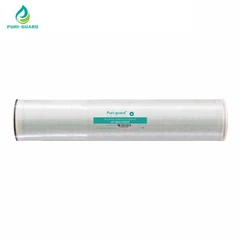
Hey there! As a supplier of High Flow RO Membranes, I've seen firsthand how pre - treatment can make a world of difference in the performance and lifespan of these membranes. So, let's dive right in and explore how pre - treatment works its magic.
Why Pre - treatment is a Big Deal
High flow RO membranes are designed to handle a large volume of water and remove a significant amount of contaminants. But they're not invincible. Without proper pre - treatment, they can face all sorts of problems that can cut their lifespan short and reduce their performance.
Think of pre - treatment as a bodyguard for your RO membrane. It takes the brunt of the dirty work, filtering out the big stuff before the water even reaches the membrane. This way, the membrane can focus on the finer details of purification.
Types of Pre - treatment
There are several types of pre - treatment methods, and each plays a crucial role in protecting the RO membrane.
Sediment Filtration
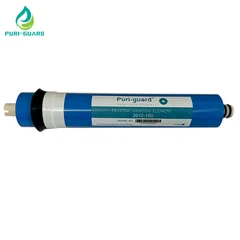
Sediment filtration is often the first line of defense. It removes large particles like sand, silt, and rust from the water. These particles can scratch the surface of the RO membrane, causing damage and reducing its efficiency. A sediment filter acts like a sieve, trapping the big particles and letting the cleaner water pass through. For example, if you're using a RO Membrane 180 GPD, sediment filtration can prevent these large particles from clogging the membrane pores, ensuring a smooth flow of water.
Activated Carbon Filtration
Activated carbon filtration is great for removing organic compounds, chlorine, and unpleasant odors and tastes from the water. Chlorine, in particular, is a big enemy of RO membranes. It can break down the membrane material over time, reducing its ability to reject contaminants. An activated carbon filter adsorbs these harmful substances, protecting the membrane and improving the quality of the water. If you've got a 100 GPD RO, using an activated carbon filter can significantly extend its lifespan by keeping it away from chlorine damage.
Water Softening
Hard water contains high levels of calcium and magnesium ions. These ions can form scale on the surface of the RO membrane, which can block the pores and reduce the membrane's flow rate. Water softening is the process of removing these ions from the water. By using a water softener before the RO membrane, you can prevent scale formation and keep the membrane working at its best. For instance, in areas with very hard water, a RO 1812 75 can benefit greatly from water softening pre - treatment.
How Pre - treatment Improves Performance
Pre - treatment has a direct impact on the performance of high flow RO membranes.
Higher Flow Rates
When the water is pre - treated, there are fewer particles and contaminants to clog the membrane pores. This means that the water can flow through the membrane more easily, resulting in higher flow rates. With a well - pre - treated water supply, your high flow RO membrane can maintain its maximum flow capacity, providing you with a steady supply of purified water.
Better Rejection Rates
Pre - treatment also helps the RO membrane achieve better rejection rates. Since the membrane doesn't have to deal with large particles and harmful substances, it can focus on removing the smaller contaminants like dissolved salts and heavy metals. This results in a higher quality of purified water.
Reduced Energy Consumption
A clogged or damaged RO membrane requires more energy to operate. By using pre - treatment to keep the membrane clean and in good condition, you can reduce the energy required to pump water through the membrane. This not only saves you money on energy bills but also makes the whole water purification process more environmentally friendly.
How Pre - treatment Extends Lifespan
The lifespan of a high flow RO membrane is a major concern for users. After all, replacing a membrane can be expensive. Pre - treatment can significantly extend the membrane's lifespan in several ways.
Reduced Physical Damage
As mentioned earlier, sediment filtration prevents large particles from scratching the membrane surface. Over time, these scratches can lead to leaks and reduced performance. By removing these particles before they reach the membrane, pre - treatment protects it from physical damage and ensures a longer lifespan.
Chemical Protection
Activated carbon filtration and water softening protect the membrane from chemical damage. Chlorine can break down the membrane material, and scale formation can cause blockages. By removing these harmful substances, pre - treatment keeps the membrane in good chemical condition, allowing it to last longer.
Less Fouling and Scaling
Fouling and scaling are two of the biggest threats to RO membrane lifespan. Fouling occurs when organic matter, bacteria, and other contaminants build up on the membrane surface. Scaling is the formation of mineral deposits. Pre - treatment methods like sediment filtration, activated carbon filtration, and water softening reduce the likelihood of fouling and scaling, keeping the membrane clean and functional for a longer period.


Conclusion
In conclusion, pre - treatment is essential for improving the performance and lifespan of high flow RO membranes. It protects the membrane from physical and chemical damage, ensures higher flow rates and better rejection rates, and reduces energy consumption. If you're in the market for a high flow RO membrane, don't overlook the importance of pre - treatment.
As a supplier of High Flow RO Membranes, I'm here to help you find the right membrane and pre - treatment solutions for your needs. Whether you're looking for a RO Membrane 180 GPD, a 100 GPD RO, or a RO 1812 75, I can provide you with high - quality products and expert advice. If you're interested in learning more or making a purchase, feel free to reach out and start a conversation about your specific requirements.
References
- "Reverse Osmosis Systems and Applications" by Menachem Elimelech and William A. Phillip
- "Water Treatment Unit Processes: Physical and Chemical" by David W. Hendricks