
What is the differential pressure monitoring frequency for B RO Membrane?
As a supplier of B RO Membrane, understanding the optimal differential pressure monitoring frequency is crucial for ensuring the efficient and long - term performance of our products. In this blog, we'll delve into the factors influencing this frequency and provide guidance on how often you should monitor the differential pressure of B RO Membrane.
The Significance of Differential Pressure Monitoring
Differential pressure across a RO (Reverse Osmosis) membrane is a key indicator of its operational health. It represents the difference in pressure between the feed water entering the membrane and the concentrate (rejected water) leaving it. An increase in differential pressure can signal several issues, such as membrane fouling, scaling, or blockages in the feed channels. If left unaddressed, these problems can lead to reduced water production, increased energy consumption, and ultimately, membrane failure.
Factors Affecting the Monitoring Frequency
Feed Water Quality
The quality of the feed water is one of the most significant factors determining the differential pressure monitoring frequency. If the feed water has a high concentration of suspended solids, organic matter, or dissolved salts, the membrane is more likely to foul or scale. For example, water sources such as surface water or well water with high turbidity levels require more frequent monitoring. In such cases, daily or even multiple - times - a - day monitoring may be necessary to catch any early signs of pressure increase.
On the other hand, if the feed water is relatively clean, such as pre - treated municipal water, the monitoring frequency can be less frequent, perhaps weekly or bi - weekly.
System Operating Conditions
The operating conditions of the RO system also play a role. Higher operating pressures, higher flow rates, and longer operating hours can all contribute to more rapid fouling and scaling. Systems that operate continuously at high loads are more prone to differential pressure changes and should be monitored more often. For instance, an industrial RO system running 24/7 in a manufacturing plant may need daily monitoring, while a small - scale residential system used intermittently may only require monthly checks.
Membrane Age and Usage
As RO membranes age, their performance naturally degrades. Older membranes are more likely to experience fouling and blockages, which can cause an increase in differential pressure. New membranes may not require as frequent monitoring initially, but as they approach the end of their expected lifespan, the monitoring frequency should be increased. A general rule of thumb is to start monitoring more closely after the membrane has been in use for about half of its expected service life.
Recommended Monitoring Frequencies
Residential Systems
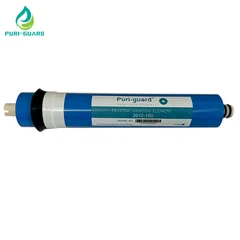
For residential RO systems, such as the RO Membrane 180 GPD or the 300 GPD RO Membrane, if the feed water is from a municipal supply and the system is used moderately, monthly differential pressure monitoring is usually sufficient. However, if the water quality is poor or the system is used heavily, it's advisable to monitor the differential pressure every two weeks.
Commercial and Industrial Systems
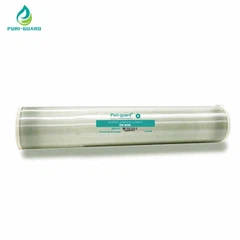
Commercial and industrial RO systems, especially those using membranes like the 3012 RO Membrane, often operate under more demanding conditions. For systems with high - quality pre - treated feed water and normal operating conditions, weekly monitoring is a good starting point. In systems where the feed water quality is variable or the operating conditions are harsh, daily monitoring is recommended.
How to Monitor Differential Pressure
Monitoring differential pressure is relatively straightforward. Most RO systems are equipped with pressure gauges on the feed and concentrate sides of the membrane. To measure the differential pressure, simply subtract the pressure reading on the concentrate side from the pressure reading on the feed side. It's important to use calibrated pressure gauges to ensure accurate measurements.
Keep a record of the differential pressure readings over time. A sudden increase in differential pressure, or a gradual upward trend, can indicate a problem with the membrane. If the differential pressure exceeds the manufacturer's recommended limits, it's time to take action, such as performing a chemical cleaning or replacing the membrane.
Conclusion
Determining the appropriate differential pressure monitoring frequency for B RO Membrane depends on a variety of factors, including feed water quality, system operating conditions, and membrane age. By monitoring the differential pressure at the right intervals, you can detect and address potential issues early, ensuring the optimal performance and longevity of your RO system.
If you're interested in learning more about our B RO Membrane products or have questions about differential pressure monitoring, we encourage you to reach out to us for a detailed discussion. Our team of experts is ready to assist you in selecting the right membrane for your needs and providing guidance on system operation and maintenance. Contact us today to start a procurement discussion and take your water treatment system to the next level.


References
- "Reverse Osmosis Membrane Technology: Principles and Applications" by M.N. Baker
- ASCE (American Society of Civil Engineers) standards on water treatment and RO system operation
- Manufacturer's guidelines for B RO Membrane products