
Hey there! As a supplier of residential RO membranes, I often get asked about the ideal water pressure for these membranes. It's a crucial topic because the right water pressure can significantly impact the performance and lifespan of your RO membrane. In this blog, I'll break down everything you need to know about finding that perfect water pressure for your home RO system.
Understanding RO Membranes
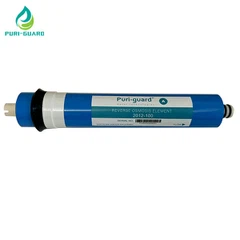
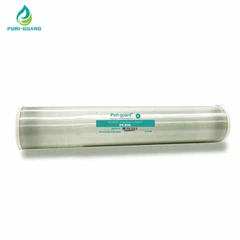
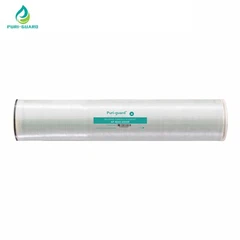
First off, let's quickly talk about what RO membranes are. RO stands for reverse osmosis, and these membranes are like tiny filters that remove impurities from water. They're super effective at getting rid of things like heavy metals, bacteria, and excess salts. We offer a range of RO membranes for residential use, such as the 3012 RO Membrane, the 100 GPD RO, and the RO Membrane 180 GPD. Each of these membranes has its own unique features, but they all rely on proper water pressure to work their best.
Why Water Pressure Matters
Water pressure is like the driving force behind your RO system. If the pressure is too low, the membrane won't be able to push water through effectively, and you'll end up with a slow flow rate and poor water quality. On the other hand, if the pressure is too high, it can damage the membrane, leading to leaks and a shorter lifespan. So, finding the sweet spot is essential.
The Ideal Water Pressure Range
The ideal water pressure for a residential RO membrane typically falls between 40 and 80 psi (pounds per square inch). Most RO systems are designed to work optimally within this range. When the pressure is in this sweet spot, the membrane can filter water efficiently, producing clean and pure water at a reasonable rate.
Let's take a closer look at what happens when the pressure is outside this range:
Low Water Pressure (Below 40 psi)
- Slow Flow Rate: One of the most obvious signs of low water pressure is a slow flow of purified water. Your RO system might take ages to fill up a glass or a pitcher, which can be really frustrating, especially when you're in a hurry.
- Poor Filtration: Low pressure can also affect the membrane's ability to filter out impurities. Some contaminants might pass through the membrane because there isn't enough force pushing the water through, resulting in lower-quality water.
- Membrane Fouling: When water moves too slowly through the membrane, it can cause a buildup of contaminants on the surface, leading to fouling. This can further reduce the membrane's performance and lifespan.
High Water Pressure (Above 80 psi)
- Membrane Damage: Excessive pressure can put a lot of stress on the membrane, causing it to tear or rupture. This can lead to leaks and a significant decrease in the system's efficiency.
- Excessive Waste Water: High pressure can also cause the RO system to produce more waste water than necessary. This not only wastes water but can also increase your utility bills.
- Shortened Lifespan: Constant exposure to high pressure can wear out the membrane faster, requiring you to replace it more frequently.
How to Check Your Water Pressure
Checking your water pressure is relatively easy. You can buy a water pressure gauge at your local hardware store. Here's how to do it:


- Turn off all the water taps in your house.
- Connect the water pressure gauge to an outside faucet or a hose bib.
- Turn on the faucet and let the water run into the gauge.
- Read the pressure on the gauge. It should fall within the 40-80 psi range.
Adjusting Your Water Pressure
If you find that your water pressure is too low or too high, don't worry. There are ways to adjust it:
Low Water Pressure
- Install a Booster Pump: A booster pump can increase the water pressure going into your RO system. It's a relatively simple and effective solution, especially if your home's water supply has consistently low pressure.
- Check for Blockages: Sometimes, low pressure can be caused by blockages in your pipes or faucets. Check for any clogs and clean them out if necessary.
High Water Pressure
- Install a Pressure Regulator: A pressure regulator is a device that can reduce the water pressure to a safe and optimal level. It's a must-have if your home's water supply has high pressure.
- Contact Your Water Provider: In some cases, high water pressure might be an issue with your local water supply. You can contact your water provider to see if they can help you resolve the problem.
Other Factors to Consider
While water pressure is crucial, there are other factors that can affect the performance of your RO membrane:
Water Temperature
The temperature of the water can also impact the membrane's performance. Generally, RO membranes work best when the water temperature is between 40°F and 90°F. Cold water can slow down the filtration process, while hot water can damage the membrane.
Water Quality
The quality of the water going into your RO system can also affect the membrane's lifespan. If your water has a high level of contaminants, it can cause the membrane to foul more quickly. Consider installing a pre-filter to remove some of the larger impurities before the water reaches the RO membrane.
Wrapping It Up
Finding the ideal water pressure for your residential RO membrane is key to ensuring its optimal performance and longevity. Remember, the ideal range is between 40 and 80 psi. If your water pressure is outside this range, take the necessary steps to adjust it, whether it's installing a booster pump or a pressure regulator.
We're here to help you every step of the way. If you have any questions about our 3012 RO Membrane, 100 GPD RO, RO Membrane 180 GPD, or any other product, feel free to reach out. We'd love to discuss your needs and help you find the perfect solution for your home. Let's get you on the path to cleaner, purer water!
References
- "Reverse Osmosis Systems: Design, Operation, and Maintenance" by Menachem Elimelech
- "Water Treatment Solution Handbook" by Lenntech