

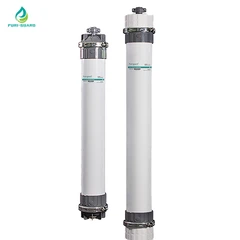
As a high flow RO membrane supplier, I often get asked about the ideal temperature range for these membranes. Understanding this is crucial for ensuring optimal performance and longevity of the RO systems. In this blog, I'll delve into the temperature requirements of high flow RO membranes, explain why temperature matters, and provide some practical tips for maintaining the right temperature in your RO system.
Why Temperature Matters for RO Membranes
Reverse osmosis (RO) is a water purification process that uses a semi - permeable membrane to remove ions, molecules, and larger particles from water. The performance of an RO membrane is significantly affected by the temperature of the feed water. This is because temperature influences the viscosity and diffusion rate of water molecules.
At lower temperatures, water becomes more viscous. This increased viscosity makes it harder for water molecules to pass through the tiny pores of the RO membrane. As a result, the permeate flow rate (the amount of purified water produced) decreases. For example, if you have a high flow RO membrane that is designed to produce a certain volume of water at 25°C, the production rate will drop when the water temperature is below this level.
Conversely, at higher temperatures, the diffusion rate of water molecules increases. This generally leads to an increase in the permeate flow rate. However, high temperatures can also have negative impacts. Excessive heat can cause the membrane material to expand, potentially damaging the membrane structure over time. It can also increase the risk of biofouling, as higher temperatures provide a more favorable environment for the growth of microorganisms.
The Optimal Temperature Range
The optimal temperature range for most high flow RO membranes is typically between 5°C and 45°C (41°F - 113°F).


Lower End of the Range (5°C - 15°C)
When the water temperature is in the lower part of this range, say around 5°C - 15°C, the permeate flow rate will be substantially lower compared to the rated flow at 25°C. For instance, a 400 GPD RO Membrane that is rated to produce 400 gallons per day at 25°C may only produce around 200 - 250 gallons per day at 5°C. To compensate for this reduced flow, you may need to increase the operating pressure of the RO system. However, this should be done within the manufacturer's recommended pressure limits to avoid membrane damage.
Middle of the Range (15°C - 35°C)
This is the sweet spot for high flow RO membranes. In this temperature range, the membranes operate efficiently, with a good balance between permeate flow rate and membrane integrity. The water viscosity is relatively low, allowing for a decent flow of water through the membrane without putting excessive stress on it. Most RO systems are designed to perform optimally within this temperature band.
Upper End of the Range (35°C - 45°C)
As the temperature approaches the upper end of the range (35°C - 45°C), the permeate flow rate will increase. But there are risks. The increased temperature can cause the membrane to expand, which may lead to a decrease in salt rejection. Salt rejection is a measure of how effectively the membrane removes dissolved salts from the water. A decrease in salt rejection means that more salts will pass through the membrane into the permeate water. Additionally, as mentioned earlier, higher temperatures can promote the growth of bacteria and other microorganisms, increasing the likelihood of biofouling.
Impact of Temperature on Different Types of High Flow RO Membranes
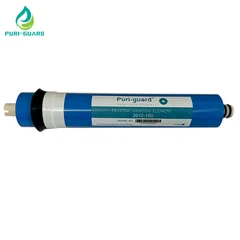
Different models of high flow RO membranes may have slightly different temperature tolerances. For example, the RO 1812 75 and 80 GPD membranes, which are commonly used in residential RO systems, are designed to operate within the general temperature range of 5°C - 45°C. However, their performance characteristics may vary slightly within this range.
The RO 1812 75, with its specific membrane material and pore structure, may show a more significant drop in flow rate at lower temperatures compared to some other models. On the other hand, the 80 GPD membrane may be more sensitive to high temperatures in terms of salt rejection. It's important to refer to the manufacturer's specifications for each specific membrane model to understand its temperature - related performance characteristics.
Tips for Maintaining the Right Temperature
In Cold Environments
- Insulation: Insulate the RO system and the pipes carrying the feed water. This can help prevent the water from getting too cold, especially in areas where the ambient temperature drops significantly.
- Pre - heating: Consider using a water pre - heater to raise the temperature of the feed water to the optimal range. However, make sure to control the temperature accurately to avoid overheating the membrane.
In Hot Environments
- Cooling: Install a cooling system, such as a heat exchanger, to lower the temperature of the feed water if it is too high. This can help maintain the membrane's performance and prevent damage.
- Regular Monitoring: Monitor the water temperature and the performance of the RO system regularly. Check for signs of biofouling, such as increased pressure drop across the membrane or decreased salt rejection.
Conclusion
The temperature range for high flow RO membranes is a critical factor that affects their performance and lifespan. By understanding the optimal temperature range (5°C - 45°C) and the impacts of temperature variations, you can ensure that your RO system operates efficiently. Whether you are using a 400 GPD RO Membrane, RO 1812 75, or 80 GPD membrane, proper temperature management is essential.
If you are in the market for high - quality high flow RO membranes or need more information about their temperature requirements, feel free to contact us for a procurement discussion. We are here to help you select the right membrane for your specific needs and ensure that it operates at its best.
References
- "Reverse Osmosis Technology: Principles and Applications" by John Wiley & Sons
- Manufacturer's specifications for high flow RO membranes