

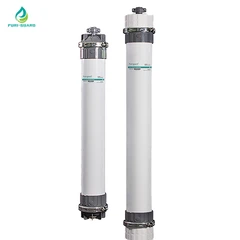
Determining the right size of a high flow RO (Reverse Osmosis) membrane is crucial for achieving optimal performance in your water purification system. As a supplier of High Flow RO Membrane, I understand the importance of making an informed decision. In this blog, I'll guide you through the factors to consider when selecting the appropriate size of a high flow RO membrane for your specific needs.
Understanding RO Membrane Basics
Before delving into the size selection process, it's essential to understand the fundamentals of RO membranes. Reverse osmosis is a water purification technology that uses a semi - permeable membrane to remove ions, molecules, and larger particles from water. The membrane allows water molecules to pass through while blocking contaminants.
The size of an RO membrane is typically measured in terms of its daily water production capacity, which is expressed in gallons per day (GPD). For example, a 400 GPD RO Membrane can produce approximately 400 gallons of purified water in a 24 - hour period under ideal conditions.
Factors Affecting the Choice of RO Membrane Size
Water Consumption
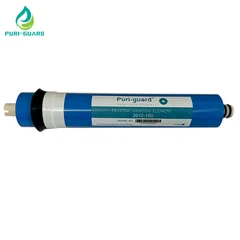
The first and most important factor to consider is your daily water consumption. Analyze how much purified water your household or business requires on a regular basis. For a small household with 1 - 2 people, a lower - capacity membrane like a 3012 RO Membrane might be sufficient. These membranes usually have a production capacity of around 50 - 100 GPD and are suitable for light water usage, such as drinking and cooking.
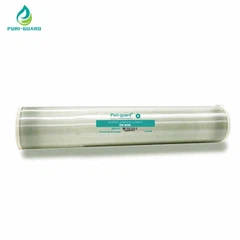
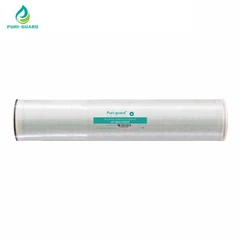
On the other hand, larger households with 4 - 6 people or commercial establishments like small cafes or offices may need a higher - capacity membrane, such as a 400 GPD or even larger. If you have a high - demand situation, like a large family with multiple people taking showers, doing laundry, and using water for various other purposes, choosing a membrane with a higher flow rate will ensure that you have an adequate supply of purified water.
Feed Water Quality
The quality of the feed water also plays a significant role in determining the appropriate membrane size. If your source water has a high level of contaminants, such as a high total dissolved solids (TDS) count, heavy metals, or a large amount of suspended particles, the membrane will have to work harder to purify the water. In such cases, a larger membrane may be required to maintain an acceptable flow rate and water quality.
A high - flow membrane can handle a larger volume of water and may be more effective in reducing contaminants. For example, if you're using well water that is known to be hard and contains a lot of minerals, a high - capacity membrane will be better equipped to remove these impurities compared to a smaller one.
Space Availability
The physical space available for installing the RO system is another consideration. Larger membranes generally require more space for installation. If you have limited space in your kitchen or utility room, you may need to opt for a more compact membrane. However, keep in mind that smaller membranes may have a lower production capacity.
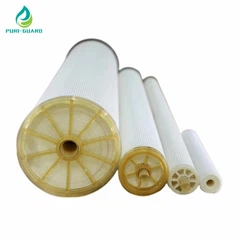
Some high - flow RO membranes come in modular designs, which can be more flexible in terms of installation. These modular systems can be configured to fit into smaller spaces while still providing a relatively high flow rate.


Budget
Budget is always a factor when making any purchase. Higher - capacity RO membranes usually come with a higher price tag. You need to balance your water requirements with your budget. A smaller membrane may be more affordable upfront, but if it can't meet your water needs, you may end up spending more in the long run on additional filtration or replacement parts.
It's also important to consider the long - term operating costs. A larger membrane may consume more energy to operate, but it can also save you money by reducing the need for frequent membrane replacements due to over - working a smaller membrane.
Calculating Your RO Membrane Needs
To calculate the approximate size of the RO membrane you need, start by estimating your daily water consumption. Make a list of all the water - using appliances and activities in your household or business and note down their average water usage.
For example:
- Drinking water: Assume each person drinks about 2 - 3 liters of water per day. For a family of 4, that's about 8 - 12 liters or 2 - 3 gallons.
- Cooking: Cooking may require another 1 - 2 gallons per day.
- Dishwashing: A dishwasher can use 3 - 5 gallons per cycle. If you run it once a day, that's an additional 3 - 5 gallons.
- Laundry: A washing machine can use 15 - 30 gallons per load. If you do one load of laundry every other day, that's about 7.5 - 15 gallons per day on average.
Add up all these values to get your total daily water consumption. Once you have this number, you can start looking at RO membrane capacities. Remember to add a buffer of about 20 - 30% to account for any unexpected increases in water usage or variations in membrane performance.
Benefits of Choosing the Right Size
Choosing the right size of high - flow RO membrane offers several benefits. Firstly, it ensures a consistent supply of purified water. You won't have to worry about running out of water during peak usage times. Secondly, it improves the efficiency of the RO system. A properly sized membrane will operate at its optimal level, reducing energy consumption and wear and tear on the system.
It also extends the lifespan of the membrane. When a membrane is not over - worked, it can last longer, saving you money on replacement costs. Additionally, a well - sized membrane will provide better water quality, as it can more effectively remove contaminants from the water.
Conclusion
Selecting the right size of a high - flow RO membrane is a decision that should be based on a careful assessment of your water consumption, feed water quality, space availability, and budget. By considering these factors and calculating your specific needs, you can choose a membrane that will provide you with an adequate supply of high - quality purified water.
As a supplier of high - flow RO membranes, we are committed to helping you make the best choice for your water purification needs. If you have any questions or need further assistance in selecting the right membrane size, please don't hesitate to contact us for a consultation. We look forward to working with you to provide a reliable and efficient RO solution for your home or business.
References
- "Reverse Osmosis Water Treatment Handbook", John Wiley & Sons
- "Water Quality and Treatment: A Handbook of Community Water Supplies", American Water Works Association